
Environmental Rehabilitation/Restoration
This unit aims to address the latent impacts of development—those impacts which could not be avoided or mitigated during the Environmental Impact Assessment (EIA) process. It relates mainly to construction-related activities, such as mining and infrastructure development. Rehabilitation implements existing rehabilitation plans, as developed during the EIA process, or assists with the development and/or implementation of such plans.
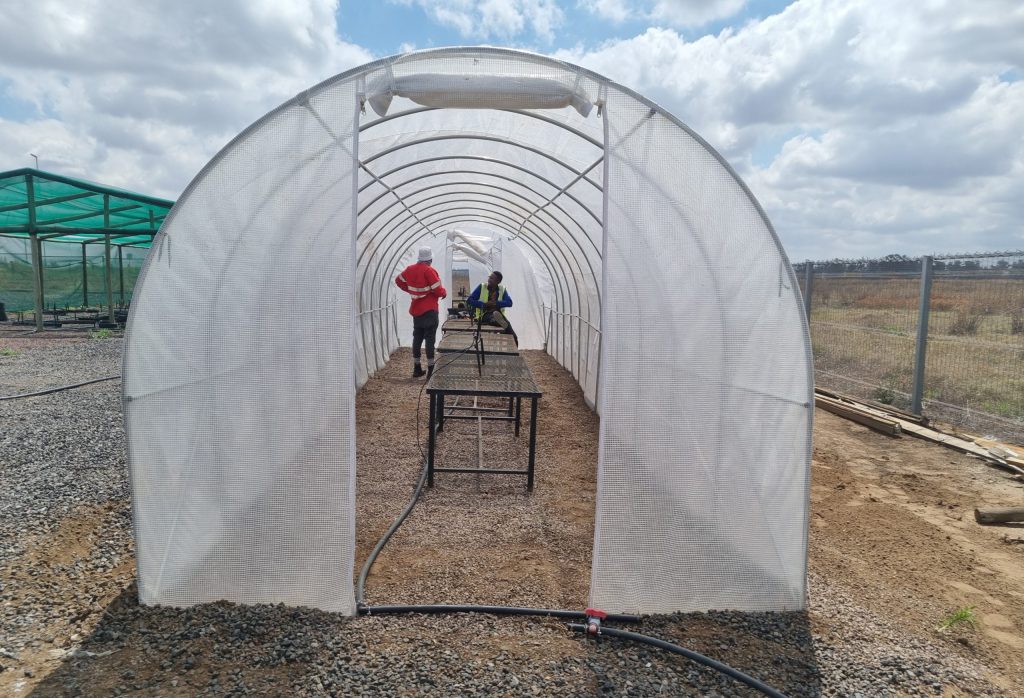
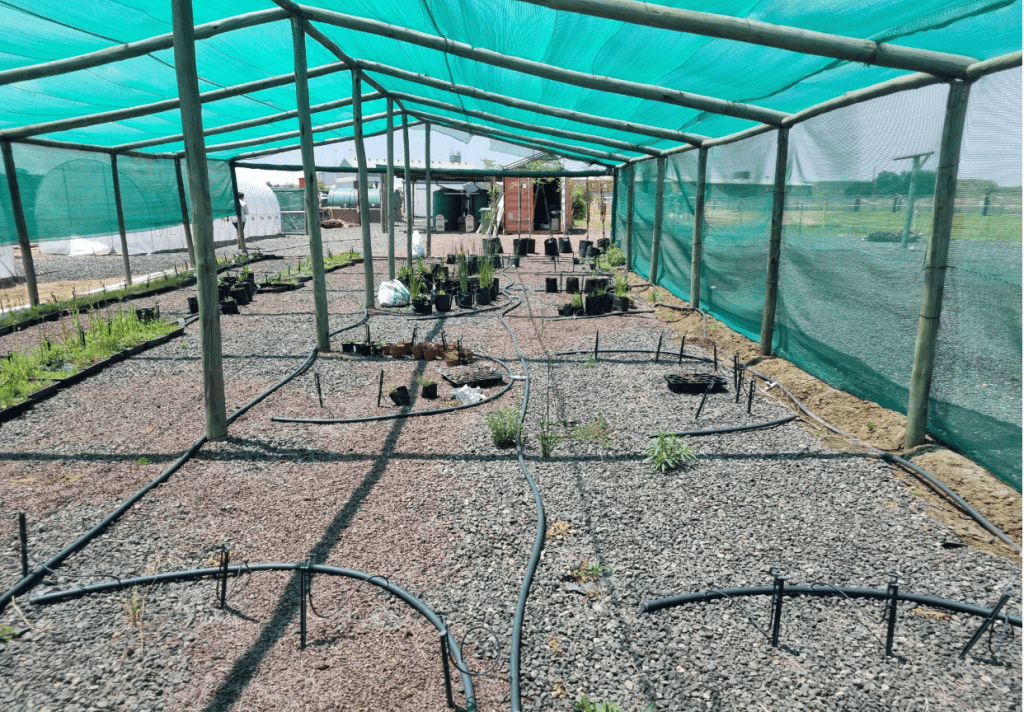
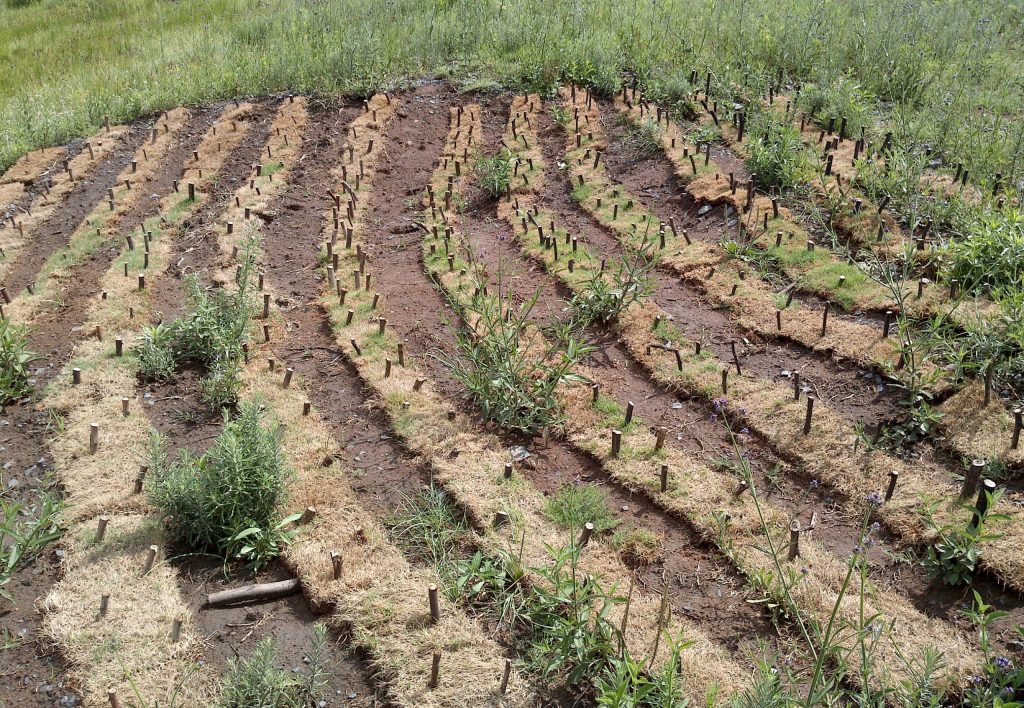
Globally, biodiversity is under threat due to habitat loss and/or fragmentation. Habitat loss or fragmentation can be due to either transformation or alien-invasive species. To counter or reduce habitat loss, already transformed areas should be optimised for alternative land uses, thereby reducing the need to transform additional pristine or intact landscapes.
Based on the location of a transformed area, our team develops rehabilitation plans which involve:
- Other land uses, such as agriculture, development, industry, or a combination thereof
- Biodiversity enhancement, such as edge effects, seed island, and species migration/colonisation
- Restoration.
The main objective is to facilitate the development of heterogeneous productive areas. These areas provide sustainable, self-reliant landscapes for current and future generations while improving ecological functioning and services in the surrounding landscape.
Unit Manager: Dr Lenie Venter
Company Resource Level: Associate
Email: lenie.ve@eiaa.co.za
Dr Lenie Venter is a registered scientific professional in the field of botanical science. She obtained her Doctorate degree in Botany and has professional development qualifications in Project Management, Agricultural Business, and GLOBAL G.A.P. certification. She has extensive experience in agriculture, forestry, and nursery development and serves as a council member of the Land Rehabilitation Society of South Africa.